Run, Smile, Drink Water and Don’t Die – A Guest Post by JoAnna Brogdon

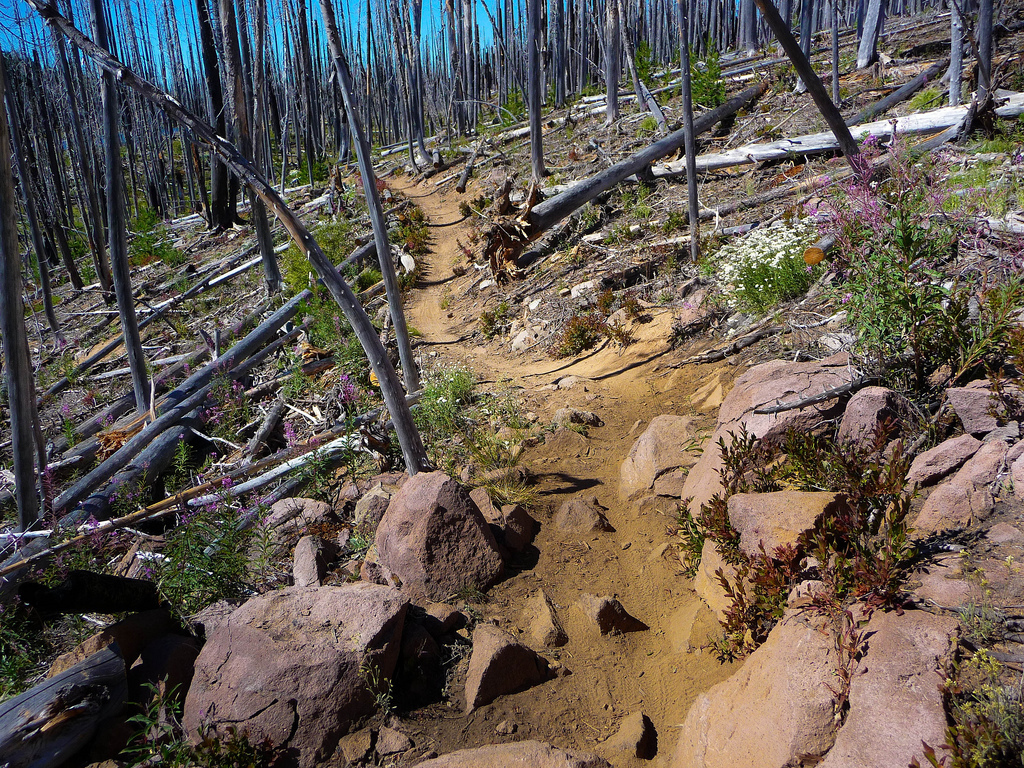
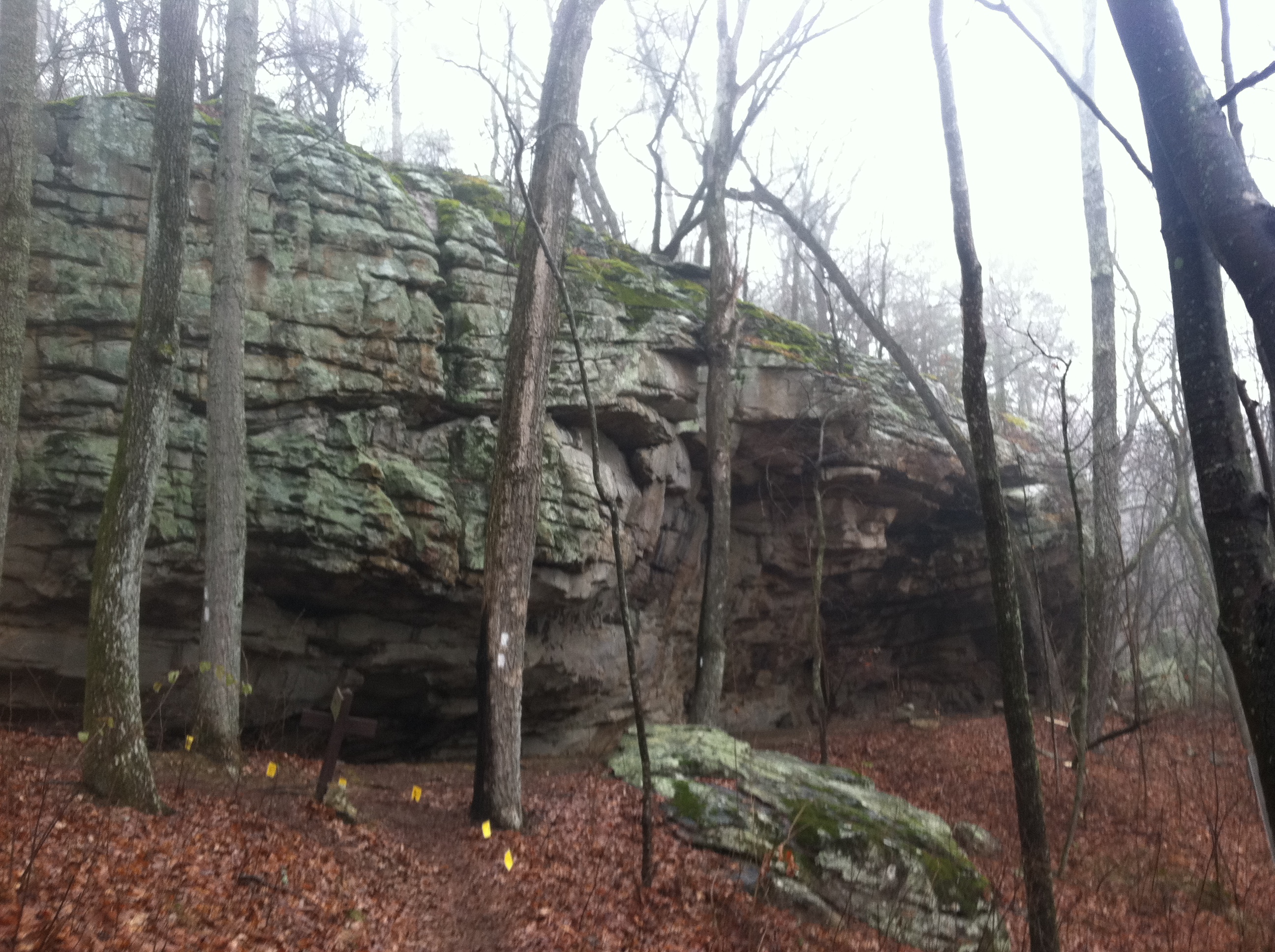
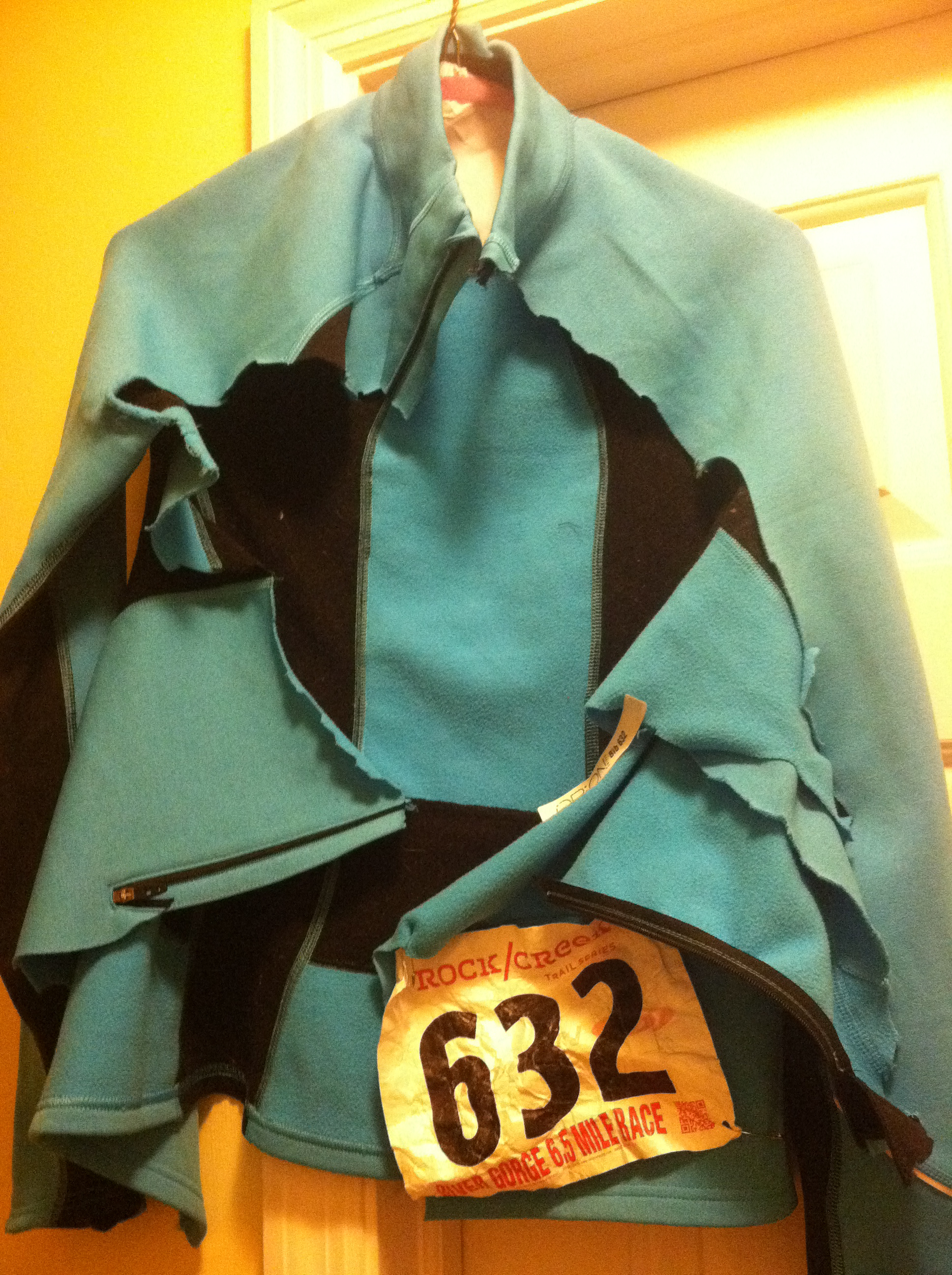
Once upon a time there was a girl that loved to run just for the fun of it. She woke up early one morning on a cold and rainy March morning, excited to run the Rock Creek River Gorge Trail Run at Prentice-Cooper State Forest, just outside Chattanooga, Tennessee. She had run this race before and was wowed by the gorgeous gorge views and challenging single track trails.
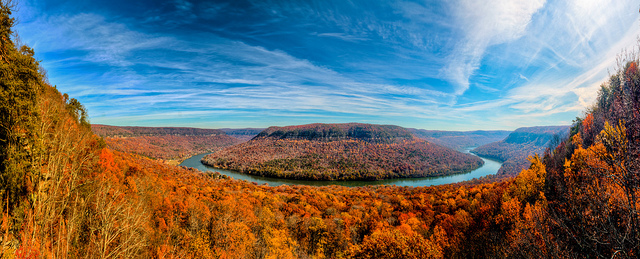
pic1

She signed up for the 10.2 mile run but wasn’t feeling exactly right that morning. She couldn’t put her finger on it. She was just a little off but that wasn’t going to stop her! She bounced out of bed and decided to do the 6.5 mile option instead of the 10.2—a decision that turned out to be one of the best she ever made.

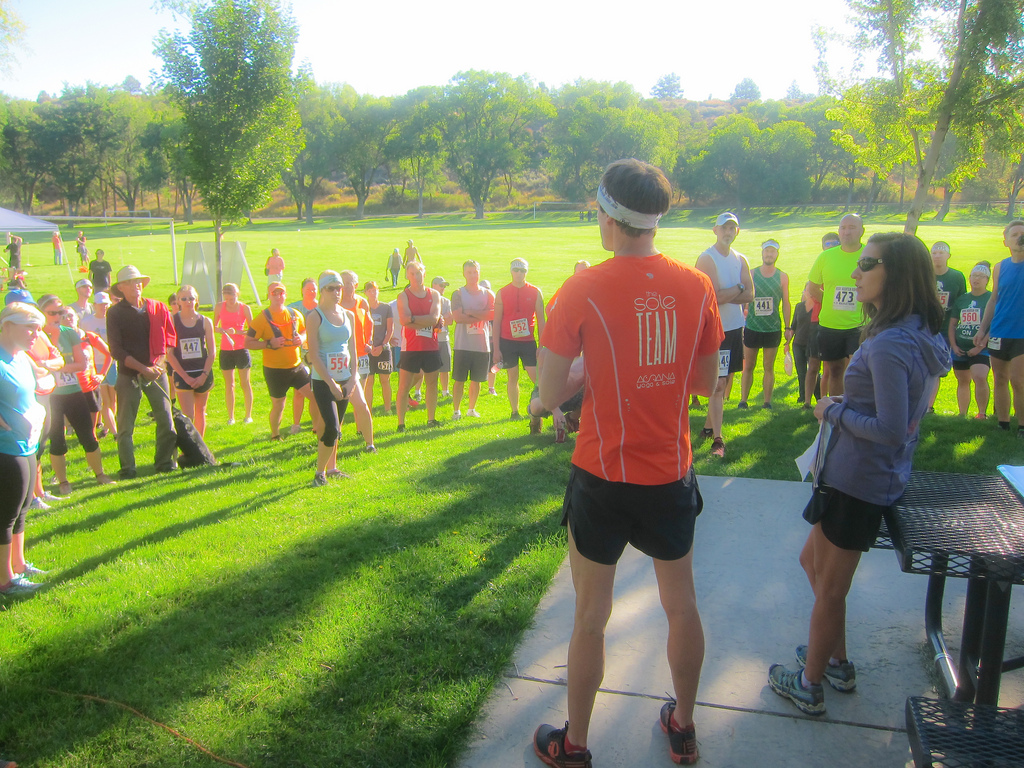
The start was a little fast. Everyone was ready to get moving on the chilly and very wet morning. Soon the 158 runners headed into the woods and formed a single line, slowing the pace which was a good thing. The trails were incredibly slippery with tons of thick mud after much rain that winter. One runner took a face plant when crossing the creek and came up with a big gash on his forehead and blood dripping down his face.

“Are you OK said the girl?”

“Yes, I am just happy to be out here,” he responded.

“Me, too!” she replied. There were smiles on everyone’s faces as they headed up steep hills and carefully focused on the each step.

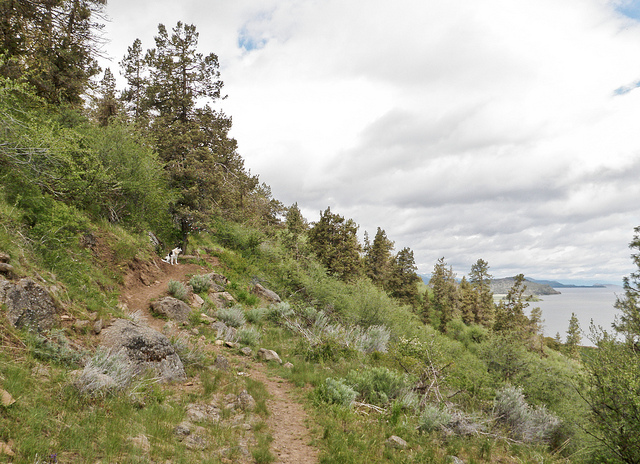
pic2

At the half way mark, she was feeling OK but a little more tired than usual. No problem she said to herself, just having an off day. It was time to focus on other things, talk to people, make some jokes and carry on. She found a guy wearing a shirt that said, “Idiot Runner’s Club – Run, Smile, Drink Water and Don’t Die.” This sounds like my kind of runner thought the girl! They chatted and laughed about how slow they were going but how happy they were to be there instead of sitting on a couch or still sleeping in bed. The mud was so thick that their shoes nearly got sucked off but happily they went up yet another hill.
pic4

Even though she wasn’t moving very quickly, her heart was starting to race quite fast. She slowed down and was walking more than running. She put her hands in the air a few times feeling like it was getting a little hard to breathe. Just focus on the gorgeous trails and it will be over soon, she told herself.
pic3

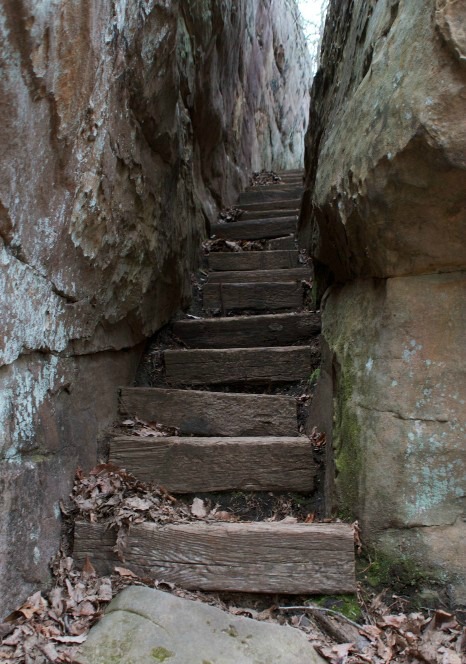
There is that Idiot Runner again. He caught up and they were passing each other back and forth. It was time for more chatting and laughter. Only a few more hills and it will be time to relax and enjoy the day. One final push, climbing up through the narrow Indian Rockhouse and the race is almost over.

It is only 6.5 miles, she thought why does this feel so hard? She had run 50Ks and didn’t feel this bad. There goes a female racer. She will have to see if she can catch her but just felt so tired and ready to stop. Then she heard the crowd and knew that the end was near. She pushed as hard as she could one final time to make it to the finish line—she did it! And then she decided to sit down for a minute, she really didn’t feel so good … and then there was darkness …

…what is that noise?

She was waking up and heard a loud noise – it was her heart pounding at an incredible rate and a bright light in the distance. Someone was saying something to her, if she could only get to the light. She woke and found herself inside the medic tent with two physicians by her side. Her legs were cramping with the worst pain she had ever felt. Where was she? What had just happened? What was her name? Which hospital did she want to go to? So many questions…

She was being placed in an ambulance and sent to the local hospital. She was in rapid rate Atrial Fibrillation and needed a Cardizem drip to get her rate down. They admitted her to the hospital and the nurse came by to explain what A Fib meant. She drew a nice picture for the girl.

untitled5

She learned that A fib occurs when one or both of the upper chambers of the heart – called the atria – don’t beat the way they should. This can cause blood to pool in the left atrium, where a blood clot can form. If that clot breaks away, it can travel to the brain, where it can cause a type of stroke called an ischemic stroke.
untitled7

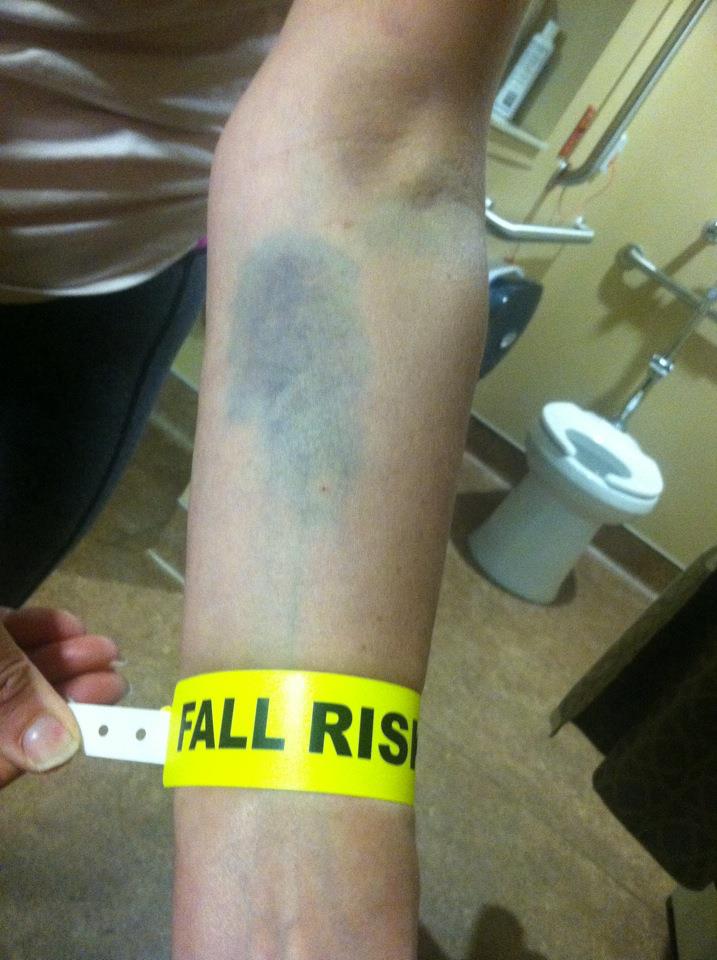
Two and half days in the hospital she waited for the meds to convert her heart back to normal sinus rhythm. They placed a band on her wrist that said “fall risk” – they had no idea.
pic6

The doctor decided the only way to get her heart back to normal rhythm was to cardioconvert using an electric shock. She was wheeled down to the operating area and what a surprise– she saw the two doctors that were at the race. One was a cardiologist and the other was an anesthesiologist for cardiology. They were chatting and laughing and encouraging her that it was all going to be OK. Her cardiologist was running late and it delayed the procedure. He was known for this as he always took time with his patients. Right as the doctor arrived; the nurse looked at the monitor and said wait—she converted on her own! We don’t need to shock her heart. The girl was happy and believed that it was actually going to be OK— maybe not happily ever after but OK. She smiled as she remembered the new friend she had just met on the trail…

“Run, Smile, Drink Water and Don’t Die.” Now those were words to live by.

The End.
pic8

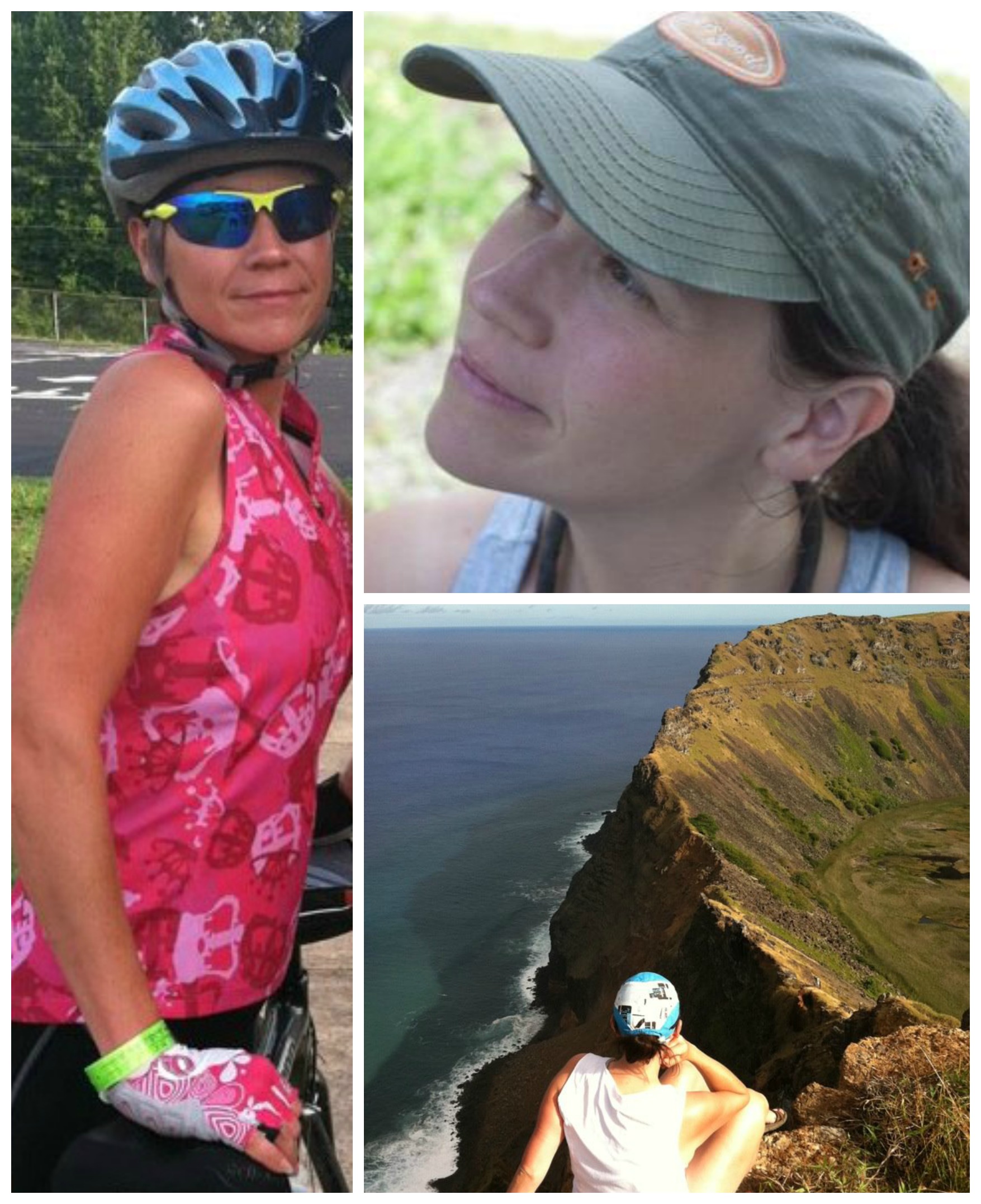
JoAnna Brogdon, forty-three years old, went into a fib several times since the race and was hospitalized twice. She has no underlying chronic conditions and the doctors are unable to tell her why she has had a fib. She believes the worst part of the condition was the emotional stress and not being able to exercise as she had in the past. She underwent a cardiac ablation recently and her heart has been beating normally since. She is hopeful that she has put a fib behind her at least for now and looks forward to running, traveling and feeling normal again. JoAnna wants to support those that struggle with a fib and may be contacted at joannabrogdon@hotmail.com.
Rejoice – Not All Runners in Atrial Fibrillation Are Slow

mooremtnhalfmarathon
Moore Mountain 1/2 Marathon

The thing I enjoy most about the afibrunner blog is comments from other athletes who are dealing with atrial fibrillation. A recent comment from a runner (we’ll call him “Lon”) really caught my attention – here is a runner who, while in atrial fibrillation, was able to race at six minute mile pace (or better).

Here are some excerpts from his comments:


Way to Go!!!
Since 1983 I’ve run/jogged 59 full marathons and have suffered with A-fib on and off for the last 12 years. I’ve finished the Boston (2001 in 3:23) and NY City (2005 in 4:15) marathons while in constant A-fib while carefully monitoring my heart rate. My cardiologists encouraged me to run marathons and also triathlons. One cardiologist told me that my heart is so strong that it laughs at A-fib and that I have the heart of an olympic cyclist. For the first 6 months of this year my heart was in constant A-fib that no drugs or multiple cardioversions could put it back into normal sinus rhythm. On July 9, 2013 I had the “Wolf Mini-Maze” (at the International A-fib Center of Excellence in Indianapolis) operation done on my heart. It was a great success and my heart has been in constant normal rhythm ever since (nearly 6 months now and I’m not taking any medications). In the Mini-Maze they removed my Left Atrial Appendage (LAA) so that if my heart ever goes back into constant A-fib I will NOT meed anticoagulant therapy. As you likely know life threatening blood clots tend to form in the LAA when your heart is in constant A-fib. The risk of stroke over the life time of an A-fib patient is huge. 3 out of 5 A-fib patients will suffer a stroke in their life even while taking anticoagulation meds like coumadin. That is a statistic that your doctor will not likely tell you about. Coumadin is over rated and is simply not very effective for some people which should be a terrifying realization to anyone dealing with A-fib. Anyway, as much as I love marathons, I’m laying off the long distance jogging for a while and am just jogging 10K’s (one per moth and 3 sprint triathlons this Summer) as well as several other physical activities.
Good health to you!
Lon

I have lamented that atrial fibrillation has made me slow, while openly admitting that I started out slow – I’ve only ran, as far as I know, one six minute mile in my entire life – and that was thirty years ago.

OLYMPUS DIGITAL CAMERA
Finish Line – Eugene Marathon

My understanding about atrial fibrillation is that the atria no longer preload the ventricles, and most people have a decrease of about 20% of their cardiac output. While sedentary people might not even notice this athletes certainly would. I do!

But I have heard that in some patients, certain athletes, there is little change in cardiac output and atrial fibrillation will not affect performance much. Lon seems like one of these fortunate people. Lon’s point about the increased risk of stroke (even if you take your Coumadin, Pradaxa, or Xarelto) is well taken – and I’m guessing that that is why he continued to pursue an effective treatment for his atrial fibrillation.

OLYMPUS DIGITAL CAMERA
Finish Line – Haulin’ Aspen Marathon

But after all those marathons Lon states he is no longer running endurance events – he goes on to elaborate:

Here’s a little more. I tried not to make a long story short above. I left out mentioning that I had a radio-frequency catheter ablation in June 2010 in Seattle that worked great in keeping my heart in normal rhythm until December 2012 when suddenly for no apparent reason went into persistent A-fib. (During that 2 1/2 year period I finished 9 full marathons and 8 sprint triathlons) My heart stayed in persistent A-fib even after 4 cardioversions and large doses of amiodarone. My cardiologists in Seattle told me that I should accept my persistent A-fib and they offered to ablate my hearts pace makers (AV and SA nodes) and give me an electronic pacemaker so that my heart rate can be controlled. That told me that I needed a second opinion so I started communications with Dr. Randall Wolf in Indianapolis about his Mini-Maze procedure. After consultations with an E.D. doctor (and a championship Iron Man triathlete) who had the Mini-maze operation and was very happy with the results, I decided to get the Wolf Mini-Maze and of course I informed my Seattle cardiologists of my intentions and they said to go for it. Absolutely the main reason that I went for the Wolf Mini-Maze is that it removes the left atrial appendage which brings my risk of stroke down to that of a healthy person with a normal healthy heart while not taking any anticoagulation drugs. The fact that I now enjoy a normal heart beat is just a huge plus factor.

From 1983 until December 2012 I completed 61 full marathons a most of which ran with all out efforts (I’ve averaged sub-6 minute pace all the way). I’m now finding out that long distance running is simply not good for the heart and most likely caused my A-fib problem.

Google Dr. John Mandrola’s 18 minute video called “Cycling Wed: I told you so…”. It is very illuminating and a must see for all endurance athletes. Please check that out.
Cordially,
Lon

I don’t know much about the Wolf Mini-Maze procedure and don’t necessarily advocate it for everybody, but clearly it worked in Lon’s specific situation. Here is some information regarding the Wolf Mini-Maze.

lakeofinish
Finish Line – Lake of the Woods 15K

No need to Google the video by Dr O’Keefe (posted on Dr Mandrola’s blog) I have the link right HERE.

Here’s the video:

If you don’t feel like watching the eighteen minute video I will summarize it for you – Exercise is good for you but in moderation. Too much or too intense exercise causes chronic inflammation of the heart and can ultimately harm the heart (atrial fibrillation, among other risks).

But if you are an endurance athlete dealing with atrial fibrillation you already know this – surely you have had a dozen or so friends and relatives, possibly sedentary and/or obese, kindly forward you information about the study he refers to – as if to justify their seemingly wise choice to avoid marathons and triathlons and replace it by watching other people play sports on television. Yes, this study was in all the newspapers and magazines last year.

avegiantsfinish
Finish Line – Avenue of the Giants Marathon

Please understand, and I paraphrase here, that Dr O’Keefe states that exercise is good for your heart, and being obese and sedentary is bad for your heart – but that overdoing it is a problem. He didn’t say people should avoid exercising.

My choice – I understand the concept of the “law of diminishing returns” as well as the next guy; but for me, well, I enjoy long, slow trail runs and mountain bike rides more than just about anything else I can think of – so I chose to continue.

8088969997_a13aa36c8c_z
Finish Line – Bizz Johnson 50K (I completed the 50K in atrial fibrillation)

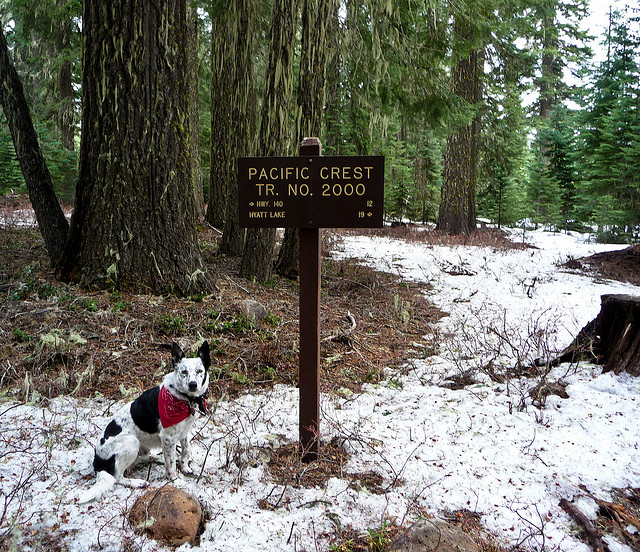
Pacific Crest Trail on Atrial Fibrillation?

I live near the Pacific Crest Trail. The famous, fabled, fabulous PCT. Just about twenty-five miles away. You can look out our back window and stare lovingly at the mountains where it courses through the Sky Lakes Wilderness.

pctrun
Heading out to run on the PCT

Although I come off in this blog as a marathoner, or an ultrarunner, what I really enjoy more than anything is trail running (and mountain biking – but mountain biking is forbidden on the PCT so forget about that). I simply love trail running and hiking, especially in the local Sky Lakes Wilderness and Mountain Lakes Wilderness; and the best part of being at my level of fitness and health is being able spend a weekend day doing a ten, fifteen, or even a twenty mile trail run. Although it is a slog now because of the atrial fibrillation I still love it – I love the movement through the wilderness and I love the trail itself.

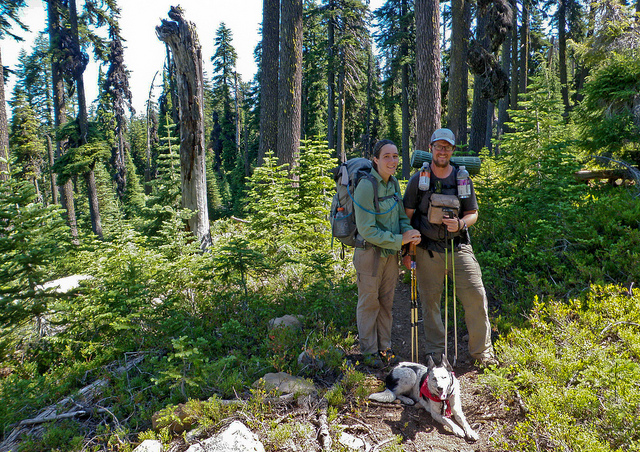
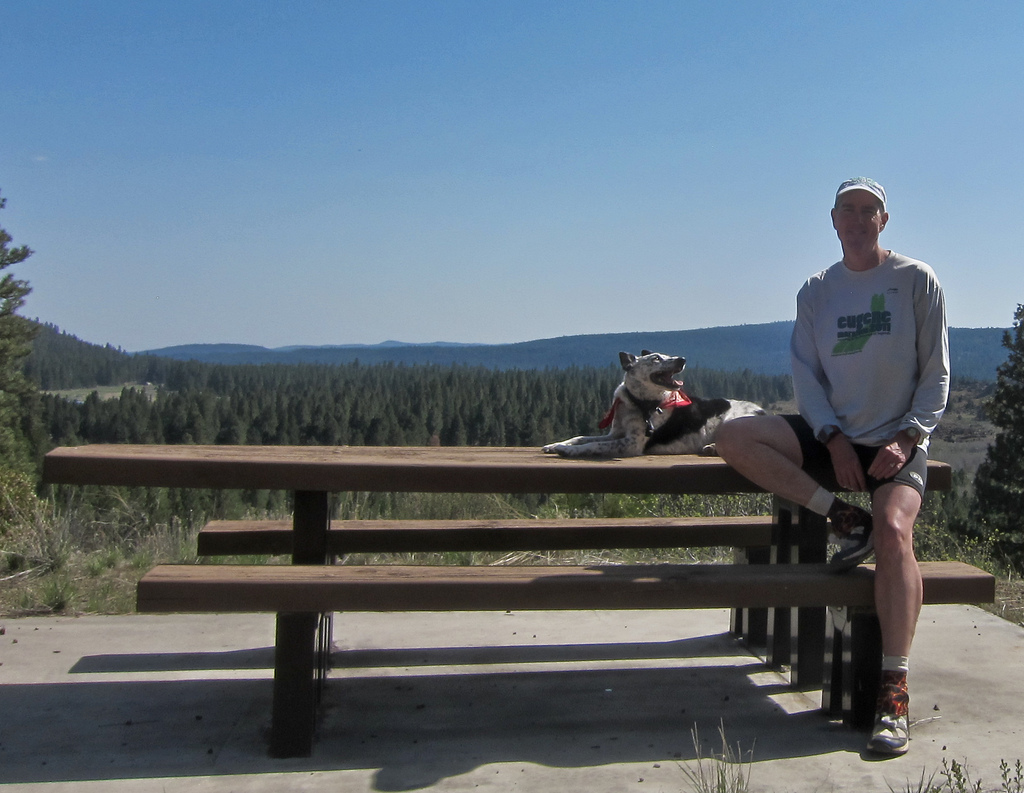
Usually the only one who goes with me is my little trail dog – Ringo.

ringobrownmountain
Ringo on the PCT at Brown Mountain

At this time of year – late Summer – all the thru-hikers, or I should say the small percentage that have made it this far, are coming through Southern Oregon. Most thru-hikers are traveling from South to North; they start at the Mexican border and hike through California, Oregon, and Washington with the goal of reaching the Canadian border. There are a lot of hazards along the way that can cause hikers to drop out and fail to finish – including blisters, running out of money, running out of time, deep snow, diarrhea, boredom, and forest fires.

I try to spend time on the PCT this time of year and will often photograph thru-hikers and post the photos on my flickr page.

pcthikers
PCT Thru-hikers

In addition to trail running on the PCT I am also an “armchair traveler,” meaning I’ve read a bunch of books about thru-hiking the PCT, including:

Cactus Eaters by Dan White – probably the best written PCT book and my most recent read.
Cascade Summer by Bob Welch – a middle aged Oregon newspaper writer hiked just the Oregon section. This might be more my speed.
Wild by Cheryl Strayed – the most well known and popular PCT book that will undoubtedly get more people on the trail. Also a well written and engaging read.
A Blistered Kind of Love by Angela Ballard – fascinating dual journal by a couple thru-hiking the PCT. It was interesting how the different genders report their trail experience. The male writes about where they went and what they did, and the woman writes about how she feels.
Skywalker – Highs and Lows on the Pacific Crest Trail by Bill Walker – the most endearing and charming PCT book ever.
Pacific Crest Trail Hiker’s Handbook by Ray Jardine – groundbreaking and controversial – Ray clearly changed the way people approach long distance hiking.
A Long Walk by Hap Vectorline – a whimsical journal of a partial through hike that started at the Canadian border and made it as far as Oregon.
In addition to the books I read various PCT blogs, and many of the youtube videos as well.

pcthikerss
Hikers

My dream is to someday thru-hike the PCT – but I don’t think it will ever happen for a number of reasons. I’m certainly in good enough shape, and strong enough, but at 53 am I too old? I don’t think so – I’ve met plenty of thru-hikers that were middle-aged. They tell me they are slower and have to leave earlier and hike longer to keep up – but that would be no problem. I think hiking for that long on anticoagulants might be an issue. On Pradaxa falling just isn’t what it used to be! The main problem is, of course, finding the time. I work full time and just don’t have the resources to take six months off from work.

Maybe some day I could just thru-hike the Oregon section. Or maybe just the Sky Lakes Wilderness (fifty-one miles) – that could be done in a weekend. Why not?

pctr
Ringo Dingo

But I still love running in the Sky Lakes Wilderness. As far as falling out on the trail and bleeding out, or having a stroke out there, or being eaten by a bear, or whatever, I like to say that I’d rather die in the Sky Lakes Wilderness than in the Sky Lakes Medical Center.*

*Our local hospital, where I am on the surgical staff, is the Sky Lakes Medical Center. I like our hospital – I’m just saying that I’d prefer to die with my sneakers on, so to speak.

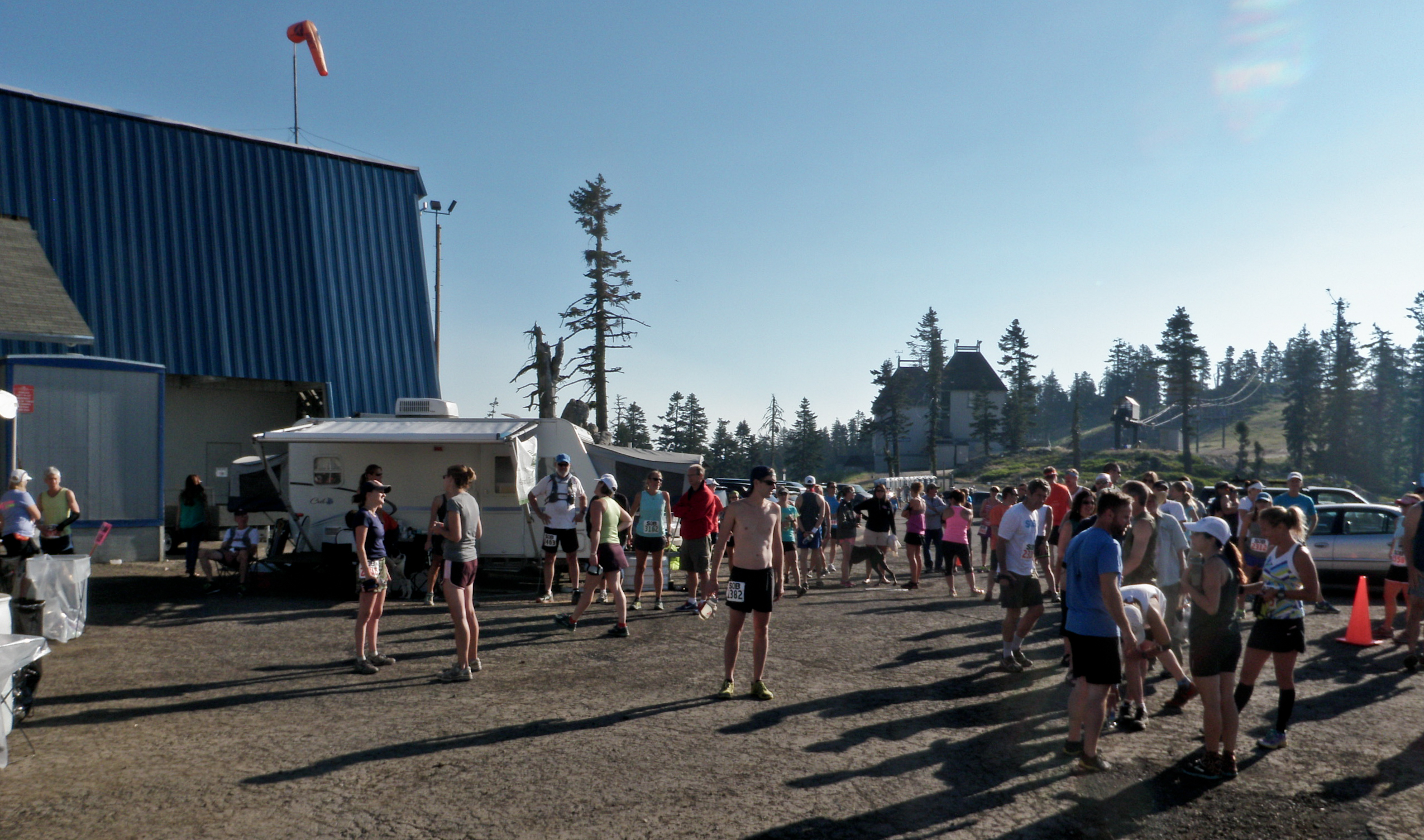
Race Report – SOB Trail Run July 27, 2013 (Siskiyou Outback Trail Run)

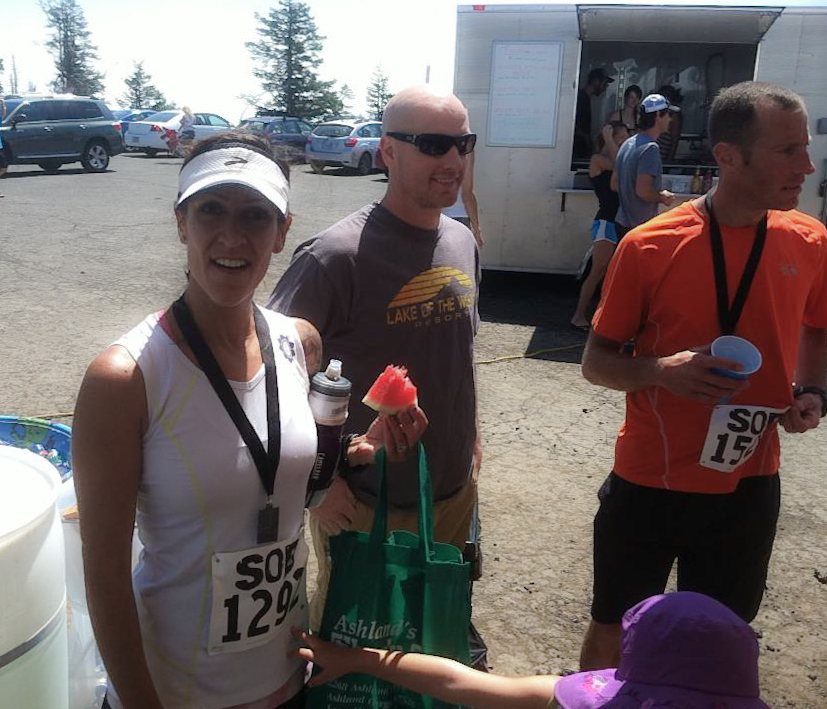
The SOB Trail Run has been one of my favorite runs and I think I have five T-shirts from the past ten years.

OLYMPUS DIGITAL CAMERA
Pre Race

Today was my first time running it in persistent atrial fibrillation.

I’ve always been impressed with how well organized the race is, the quality of the course, and the low price. The 15K is still only $25 (that includes a finisher medal but no T-shirt – a T-shirt is extra). There are three events – a 15K, a 50K, and 50 mile race. I’ve only ever done the 15K but several of my local running friends did either the 50K or 50 mile today. The 50 mile has 7000 feet (2133 meters) of elevation change – that’s crazy!

OLYMPUS DIGITAL CAMERA
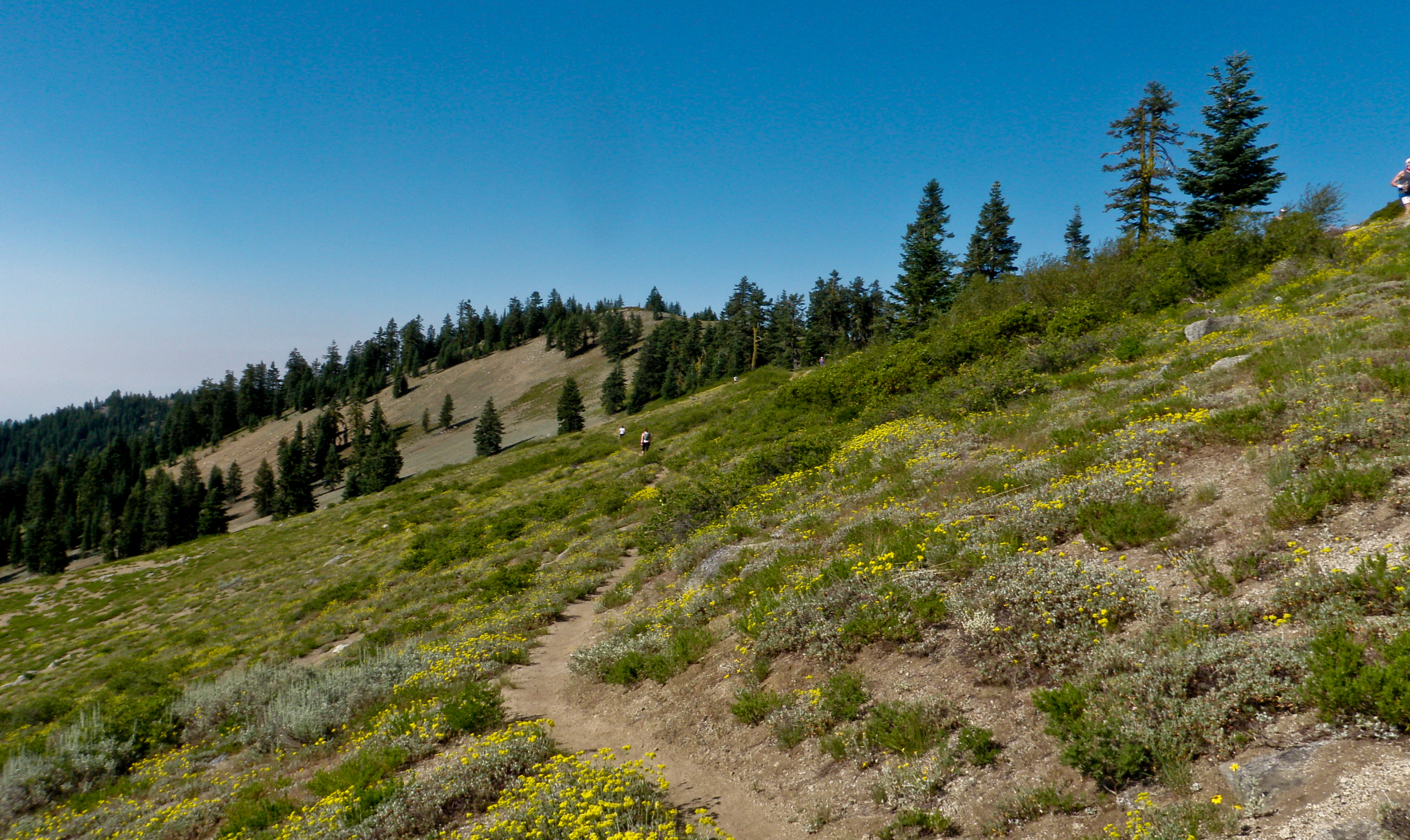
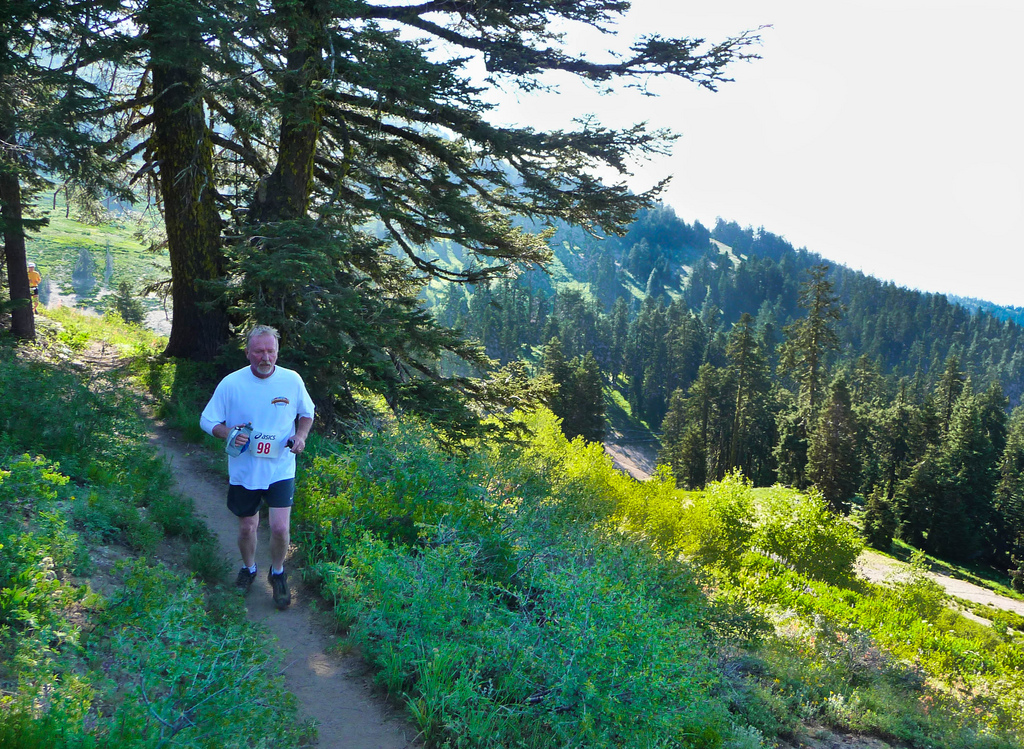
Along the course on the PCT

I think all the races start with the same nice 1/2 mile or so on a road that allows everybody to get sorted out as far as pace is concerned before getting on the narrow singletrack of the fabled Pacific Crest Trail. This is a good idea – races that start right off the bat on singletrack, like Haulin’ Aspen Marathon and 1/2 Marathon in Bend, Oregon – tend to develop bottlenecks because passing is so difficult. The truth is that passing is a problem on the SOB – I tend to be faster going uphill (as compared to the slow people I run with) and end up passing people who walk up the hills – but I’m relatively slower going downhill, especially on technical terrain like the PCT, and most of the people I passed going up want to pass me going down; and the 15K course is up / down / up / down.

After several miles of this the race transitions to a fire road and then re-enters the PCT for the last few miles.

afterrace
Amber and Nathan after the 50K

The race is fairly high elevation – starting at 6500 feet and climbing to about 7000 feet (??). I don’t notice it much because I live at 4200 feet and regularly run at similar elevations, but people coming from coastal cities will definitely notice the rarefied air.

As far as running it in atrial fibrillation was concerned I had the typical slow start – it takes me a mile or two to warm up now, and then I felt my normal self again. I didn’t even look at my time and I didn’t wear my Garmin 305 – why? I walked only a few particularly steep sections and other wise (slow) ran the entire race.

3715530332_39abc60639_b
Along the Course

As usual the start/finish line was great – nice people, good music, lots of post race food. I forgot to pick up my post-race swag bag so I don’t know what I missed there. I wish I would have checked the start time for today’s race because I ended up arriving about an hour and a half early – but I can’t think of a better place to hang out that Mount Ashland on race day.

OLYMPUS DIGITAL CAMERA
Race Hang Out Headquarters

Running and Mountain Biking with Atrial Fibrillation? Get a Road I.D.

I used the see the Road I.D. commercials while watching the Tour de France and think, “Why would anybody buy a thing like that?” That was before I went into persistent atrial fibrillation and started taking a potent anticoagulant (Pradaxa).

Now something as ordinary and routine as falling down on a trail run or crashing on a mountain bike can become a big deal – maybe even a life and death situation.

roadID

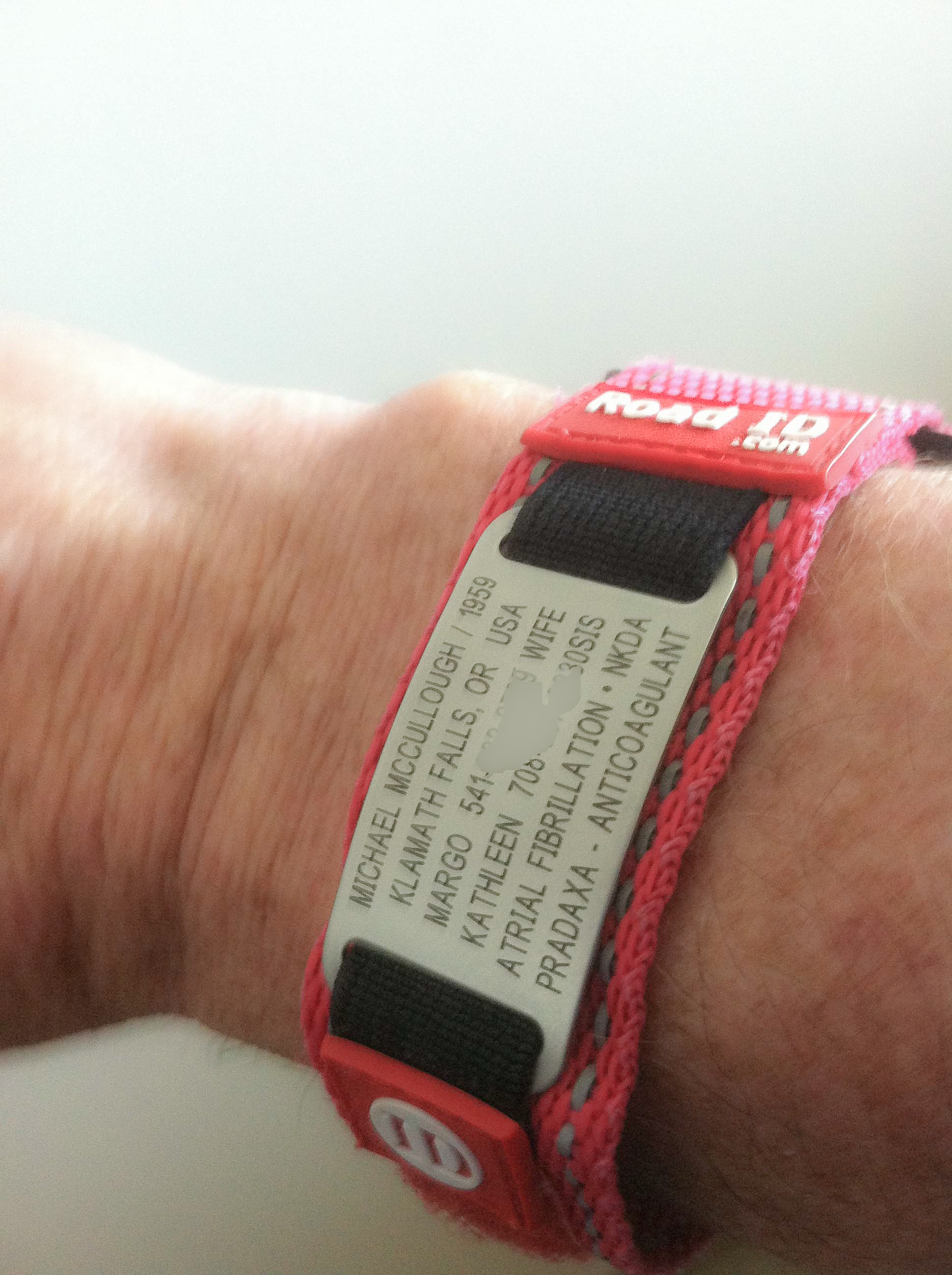
My Road I.D. has my name, year of birth, hometown, my wife’s number and my sister’s number. Also it indicates that I am in Atrial Fibrillation, have no drug allergies, and am taking Pradaxa – an anticoagulant.

This way if I am found dead they know who I am and who to call to come pick up the bike and the body. If I’m still alive they will know about the atrial fibrillation and the anticoagulant. Pradaxa doesn’t have a reversal agent but any medical personnel will know to watch for bleeding and start an IV to push fluids. It certainly couldn’t hurt.

road__id
Wearing my Road I.D. at a pizza parlor

I wear mine whenever I ride or run, and also whenever I drive. I take it off at work.

I was half joking when I said “if I’m found dead” but somebody (I can’t recall who) recently noticed my Road I.D. and said he wished his friend (brother-in-law?) had had one. Evidently he had gone out for a run and died out there (for whatever reason) and had no identification. Nobody knew who he was so they put the body in the morgue for the weekend. I seem to recall that the wife was out of town and they had a hard time figuring out who he was. Eventually when they started to figure out who he was and one of his children had to come from out of town to identify the body. I wish I could remember the details more clearly – but at any rate a Road I.D. wristband would simplify a situation like that.

There’s nothing special or unique about a Road I.D. – any medical alert bracelet would be fine; but a Road I.D. just seems cooler. It’s durable, comes in cool colors, and is highly customizable, it cleans up well when worn in the post work out shower, and goes on and off easily.

Mountain Biking and Atrial Fibrillation

waldoburn

Mountain Biking in Oregon – Waldo Lake Trail

I’ve just returned from a nearly three-hour long mountain bike ride, so I thought it would be a good time to write about mountain biking while in persistent atrial fibrillation (this discussion is pertaining specifically to persistent A fib meaning I am always in atrial fibrillation and don’t ever expect to NOT be in a fib; I think people who have episodes of paroxysmal atrial fibrillation are going to have a different result).

One of my main concerns when I was first verified to have persistent atrial fibrillation was whether or not would be able to continue mountain biking. I started road riding in the early 80s, back when I still lived in the Midwest. When I moved to Klamath Falls, Oregon in 1987 I began mountain biking. This is a great place to ride, and we have a terrific trail system at Moore Park, as well as a couple of local high mountain singletrack trails that are legal for mountain biking (Brown Mountain Trail, Rye Spur Trail). I feel real connection to these trails and have been riding some of them for over twenty-five years.

ryespur

Rye Spur Trail, Klamath County, Oregon

I didn’t use to run is much as I do now, and back in the late 80s and early 90s I would pretty much mountain bike five or six days per week. I have developed some good bike handling skills, especially since in the early days there was no front or rear suspension, and nobody really knew what they were doing anyway. We pretty much plunged our quick release seat posts down into the frame, switched to granny gear as soon as we hit dirt, and would (inappropriately) lock up our back wheels and skid down steep hills – very much discouraged in this modern era. But that’s the way it was – skills develop over time.

yeti

One of my old mountain bikes

At any rate I have developed good skills – skills specific to these particular trails, seeing that I generally know every rock and anticipate every little drop off.

There are two issues with mountain biking and atrial fibrillation. The first, obviously, is that my cardiac output is reduced by about 15 or 20%, so naturally I am a little bit slower. People get slower when they get older, too, so there’s that to deal with as well. But the real issue, I think, is the fact that I am on a potent anticoagulant – Pradaxa. One of the disadvantages of Pradaxa is that it works really well (but the real disadvantages that it does not have a reversal agent). Clearly – there is a risk of bleeding associated with crashing your mountain bike on the trail.

I sort of doubt whether Coumadin is that much safer than Pradaxa as far as this is concerned – while it is true that there is a reversal agent for Coumadin, what is the likelihood that, if I had a major crash, I would be able to get to the emergency department in time for them to give me the reversal agent? I generally ride alone, and our trails are pretty remote. It would take a while for me to get out of there, especially if I was bleeding all over the place, or even worse, if I were bleeding into the space previously occupied by important parts of my brain.

Over the years my skills have improved and my style has changed quite a bit. At age 53 I’m no longer much of a daredevil (I never really was). Back when I was thirty and was riding about five days per week, I estimated that I had one minor crash per week, and usually one major crash per season. In all that time I think I’ve only actually hit my head once (I definitely recall a bleeding ear after crashing on a technical descent on a trail called Garbage – never liked that trail).

I have always felt that all of your instincts and reflexes are directed toward protecting the head. It’s automatic.

Of course I have worn a helmet when bicycling since 1983. I even bought a new helmet when I went into atrial fibrillation and started anticoagulation. It fits better than my old one and it’s florescent green, so hopefully I have less chance of being run over by a pickup truck.

The only time I have ever had a significant bleeding problem while mountain biking was back in 1990. I came off the trail ride and was heading around the paved road at Moore Park to the picnic area to get some water when some young guys in a pickup shouted at me, “Wrong way, dude!” I didn’t yell back at them, but I turned around and glared at them as I zipped down a little hill to the picnic area, giving them a look that said, “You talkin’ to me?” I was going pretty fast at that point and hit a speed bump that sent me skidding across the pavement for a while.

I bet those guys were impressed.

Anyway, I had a lot of road rash, was just goes with bicycling to a certain extent, but the worst thing was I had a “degloving injury” on the side of my abdomen. What that means is that part of my skin more or less stuck to the pavement while the rest of me kept moving and the skin was pulled away from the underlying tissue. It didn’t break all the way through the skin, but I developed a hematoma the size of a baseball right where the “love handle” would normally be. Twenty-three years later it’s actually still there to a certain extent, not the blood, but a big lump of scar tissue beneath the skin, and the skin over that area is still kind of numb.

OLYMPUS DIGITAL CAMERA

Klamath Ridgeview Trail – Moore Park

That happened with no anticoagulation – I never even took an aspirin back then. If I had a similar injury now that would’ve been a major hematoma – I might even need a transfusion.

That’s the risk. Falls are part of riding a mountain bike. I’ve been on Pradaxa for a year now and I think I’ve only had two crashes. I am so much more cautious than I used to be that I rarely ever crash, and when I do crash it usually something stupid like having mud or ice in my pedals and not been able to click out when stopping, falling over like Artie Johnson used to do on that tricycle on Rowan and Martin’s Laugh In. I honestly can’t say that I’ve noticed more bruising or bleeding than I would expect prior to Pradaxa. So far, so good.

I feel it is important, however, that when you’re cardiologist tells you that you probably shouldn’t be mountain biking that you do what he says. Don’t be like me. Don’t disregard your cardiologist advice. Do as I say, not as I do.

All joking aside – there is a certain risk and if you can accept that level of risk, then continue mountain biking. If not, stay off the trails.

As far as how much persistent atrial fibrillation affects my climbing, well, when I first get started it is quite difficult. After I warm up it really doesn’t seem like it’s any different than not be in atrial fibrillation. Recall that I do not take anything like a beta blocker or an antiarrhythmic – if you take medications like that your experience may definitely be different. All I take is the anticoagulant.

I’m slow, definitely slower than I was twenty-five years ago, but it almost seems like it’s within the realm of what you’d expect from being that much older. Like I said in the article about running in atrial fibrillation, it’s almost like you’re a pickup truck with a four speed manual transmission, but you can only use second and third gear. But you can still have a lot of fun in those two gears! It just takes a while to warm up.

Personally I think road biking is more dangerous than mountain biking, as far as bleeding risks are concerned. All my best crashes have been on pavement, including my best mountain bike crashes (see above). And pavement is usually where cars, driven by people who are talking or texting on smart-phones, hit you.

As far as endurance and energy output are concerned road biking, by its very nature, is easier to do in persistent atrial fibrillation that mountain biking. On a road bike you get into a groove, and have a certain steady energy output. That’s perfect for atrial fibrillation. Anybody who trail rides, especially on technical, steep trails, can tell you that mountain biking consists of a little burst of energy here, then a little short, brief period of rest and recovery here (by slow pedaling for a couple of seconds), and then hammering the pedals again to get over the next little obstacle, or whatever. That’s what’s fun about it – it’s almost like doing a puzzle. Trail riding involves a lot of little, short, anaerobic bursts of energy – and of course atrial fibrillation has diminished this ability, as far as I’m concerned.

Although, speaking strictly of endurance, I don’t think that is changed too much since I went into persistent atrial fibrillation. I can still ride for just as long as I used to be able to ride. I have found that while I have lost speed with age I have gained endurance in spite of atrial fibrillation.

ridgeviewtrail

Moore Park Mountain Bike Trails

I am very interested in other mountain bikers’ experiences with atrial fibrillation, especially athletes who take rate control or anti-arrhythmic medications. Please feel free to leave comments – Thanks!

On Being Slow – Running with Atrial Fibrillation

Being in persistent atrial fibrillation is sort of like being a pickup truck with a four speed manual transmission, but you can only use second and third gear.

If you’re going to continue distance running in persistent atrial fibrillation you’d better expect to be slower.

I was already slow to begin with – my quickest marathon was four hours and forty minutes and it took me an hour to run a 10K. I’ve always avoided 5Ks because people in 5Ks simply run too fast. Once I was a back of the middle of the pack runner, well, now I’m truly a back of the pack runner.

moikspraguert

Training Run

I’ve always been a larger runner, and that’s definitely a factor in being slow. I’ve done a dozen marathons at over 6′ 3” and about 235 pounds, and have often felt that people would “mark” me, use me sort of as a target. I’ve felt particularly self-conscious about those people, often found in the back of the pack in a marathon, who will run up and pass me and then start walking – over and over again. This can be really annoying. One guy did that for 14 miles! I finally told him, “please either keep running or keep walking.” I know that these people are simply followers of Jeff Galloway (there are a lot of them in the back of a marathon pack), but it’s still annoying and it happens every race.

But if I was moderately slow before, I’m silly slow now. In an effort to preserve my pace I have actually lost about 40 pounds – but I don’t think I’ve even broken even. I had previously ran ten minute miles in shorter training runs, but now twelve minute miles are more common. As stated previously I had a cardioversion and was in sinus rhythm for thirty-three days – and at my new weight I was delighted to be able to train, for shorter runs, at a nine minute mile if I wanted to – but alas after a quick five-mile run in the thirty-third day I went back into persistent atrial fibrillation. I could feel it immediately and knew what had happened.

I imagine that a lot of athletes who are reading this blog are people who have had episodes of atrial fibrillation, or who go in and out of atrial fibrillation. I think people with intermittent atrial fibrillation become much more symptomatic and have a lot more trouble with training. They might not be able to train at all. But with persistent atrial fibrillation, at least in my experience, I have found that I stabilized and am able to train (a slower pace). You just have to get used to it.

OLYMPUS DIGITAL CAMERA

Back of the Pack – Haulin Aspen Trail Marathon and 1/2 Marathon

There are a few major differences, however. Prior to atrial fibrillation, like most runners, I would start out a long run at a fairly quick pace and more or less degrade as far as my pace was concerned as the miles accumulated. But with atrial fibrillation I actually start out quite slow, and after a mile or two find that I have picked up the pace quite a bit. I generally don’t do much interval training, but I imagine that is out of the question at this point. I live and train in the mountains and I can still run hills, but not really very quickly. When bicycling I find I don’t stand up and charge up hills any longer, but remain seated and spin more.

Being in persistent atrial fibrillation is sort of like being a pickup truck with a four speed manual transmission, but you can only use second and third gear. You start out pathetically slow, and your top speed is greatly diminished – but she can still drive as far as you want.

OLYMPUS DIGITAL CAMERA

Big Slow Runner – Before A Fib

The most important thing, of course, is that I am still able to continue trail running and mountain biking, and I am still able to participate in marathons and even ultra marathons. I still get to experience the sheer joy of slogging through a long trail run through the forest. I was never going to win any prizes to begin with, so what’s the difference?

Actually, I was delighted to get a medal for second place in my age group at the 2012 Bizz Johnson 50K, which I ran while in persistent atrial fibrillation. That was the first year they had a 50K at that event and there weren’t very many participants. I’m pretty sure that there were only two people in my age group, but still!

8088969997_a13aa36c8c_z

Second Place (age group) Hell Yeah!!!!

One good thing about ultra running and marathon running, especially compared to 5Ks, for example, is that nobody really cares if you are slow. I was surprised that there were many people who finished behind me when I ran my first 50K in atrial fibrillation. Although it is kind of embarrassing to be so slow, you just have to change your mindset, and when you get involved with ultra sports, especially with atrial fibrillation, you need to simply enjoy yourself, enjoy the run, enjoy the trail, enjoy the people, and not worry about time.

If there are any other athletes reading this who are in persistent a fib, or intermittent a fib, I would love to hear about your experiences, and I encourage you to leave comments.

Running Alone

Even before I was in persistent atrial fibrillation I generally would like to run alone, although occasionally I run with my wife, Margo. Bike riding was different – I would often go for mountain bike or road rides with friends. At this point, however, I generally go alone so I can just keep my own slow pace.

Ninety-five percent of the running that I do is trail running, and almost all that is done with my dogs – so technically I don’t run alone. They don’t care how slow we go – they are simply glad to be out there.

OLYMPUS DIGITAL CAMERA

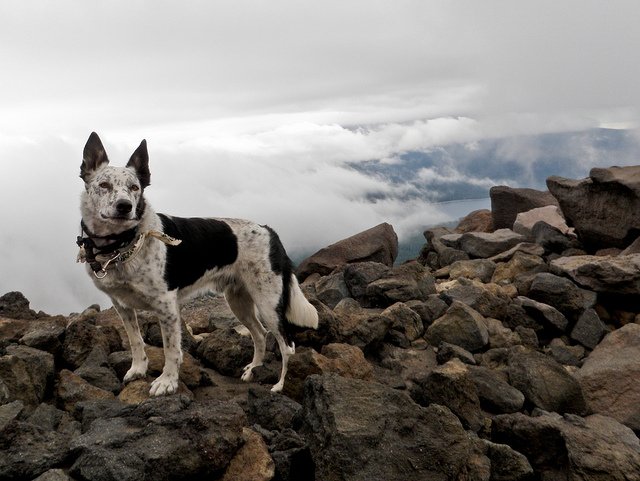
Ringo on Mount McLoughlin

Ringo is a blue healer, border collie cross and is a great trail dog. He behaves well off leash, never chases anything, and always stays with me. There are a couple of races around here that allow dogs and he always gets to go along for these events.

Our other dog, Sophie, is a husky/shepherd cross and pretty much needs to be on leash 100% of the time (otherwise she runs off after God knows what), which can be challenging for trail running. It pretty much completely eliminates Sophie as a mountain biking partner.

margosophie

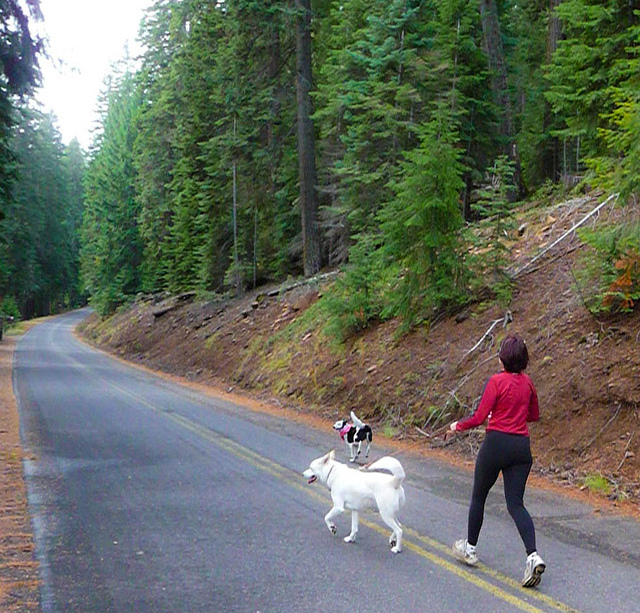
Running at Lake of the Woods with Margo, Ringo, and Sophie

I often run in wilderness areas, or even remote trails near town, and sometimes worry about having a fall and getting hurt on the trail. I guess that just has to be an acceptable risk. I like to say I’d rather die in Sky Lakes Wilderness (our local wilderness) than at Sky Lakes Medical Center (our local hospital – where I am on the surgical staff) – but I feel sorry for they people who find me – imagine finding somebody on the trail . . . that big and that dead! As a precaution I always like to tell my wife where I’m going, and of course, I always have my cell phone with me. I usually take a bandanna along so I have something I can use for a tourniquet if necessary – don’t forget I am on a potent anticoagulant (Pradaxa).

I’d be interested in hearing from other runners and mountain bikers who are training while on anticoagulants and find out what type of precautions you take. Please feel free to leave a comment.

Persistent and Intermittent Atrial Fibrillation

There are different types of atrial fibrillation. They’re all the same arrhythmia, the main difference is duration. Some people have intermittent (or paroxysmal) atrial fibrillation. This means that the individual goes into atrial fibrillation for a short period of time – maybe a couple minutes, maybe twenty-four hours, but less than one week. Most of the descriptions of atrial fibrillation I have found on the web describe paroxysmal atrial fibrillation.

Atrial fibrillation that lasts for longer than seven days is called persistent atrial fibrillation, and atrial fibrillation that lasts for over one year is referred to as long-standing persistent atrial fibrillation or permanent atrial fibrillation.

Regrettably that is the type of atrial fibrillation that I have. I have just “celebrated” my one year anniversary of persistent atrial fibrillation. I miss sinus rhythm.

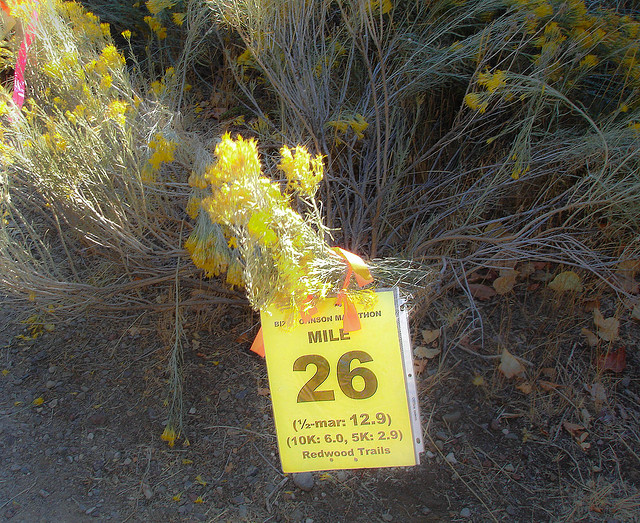
twentysix

The Best Mile Marker

People who are in sinus rhythm most of the time and go into atrial fibrillation only occasionally are fortunate because they get to be in sinus rhythm most of the time, which is basically the hot set up for any type of endurance sports. The disadvantage is that when these individuals to go into atrial fibrillation the effects are pretty devastating, and more often than not they find themselves on their hands and knees wondering what happened. The other bad news for people with intermittent atrial fibrillation is that it may very well progress into a persistent type atrial fibrillation, and of course there is a risk of having a stroke. So it is important to discuss this and formulate an appropriate treatment plan with your healthcare provider.

The disadvantage of being in persistent, but relatively asymptomatic, atrial fibrillation is that you have a performance penalty all the time; but the advantage is that you stabilize, at least I have, and are able to participate in your sport, albeit at a slower pace. It never gets much worse or much better.

Maybe there are some athletes out there who are in persistent atrial fibrillation who are unable to continue to participate in running, mountain biking, etc. if so I would encourage you to share your stories in the comments section.

All unable to discuss at this point in time is my own personal experience.

finish line

Bizz Johnson Marathon – I think I’ve done this one five times

Intro – Atrial Fibrillation and Endurance Sports

It turns out atrial fibrillation is pretty common in middle-aged endurance athletes. About a year ago, when I first went into persistent atrial fibrillation I was surprised to find out how common it was in athletes, but also surprised to find out there weren’t a lot of resources on the web. I am writing this blog in order to provide information about atrial fibrillation in athletes from an athlete’s point of view only.

My purpose is not to give medical advice. I am a podiatrist employed at Klamath Orthopedics and Sports Medicine and my practice is limited to the treatment of the foot and ankle – not the heart. Cardiology is not in my scope of practice.

Also – before you ask – I don’t plan to give podiatry advice in this blog, either.

Spraguerun2

I’m a 53-year-old distance runner and mountain biker who is in persistent atrial fibrillation. Persistent atrial fibrillation means that I do not go in and out of atrial fibrillation, like some athletes, I am always in atrial fibrillation and I am not expected to ever be out of atrial fibrillation. I am more or less asymptomatic, except for palpitations and, of course,  a slower pace, and do not take any specific treatment except for a blood thinner (Pradaxa).

I continue to enjoy marathoning, trail running, mountain biking, hiking, and any other outdoor activity for that matter. I am not sure how many marathons I have completed, but probably around fifteen. I have trained for two 50K runs, but was only able to run one of them. I was discouraged to participate in my first 50K by my electrophysiologist (more on that later). That was before he actually saw me as a patient.

petersonridge rumble

Peterson Ridge Rumble 20 and 40 Mile Trail Run – a great race that allows dogs. Here is my dog, Ringo, at the starting line.

My most recent event was the Peterson Ridge Rumble, a 20 mile trail run in Sisters, Oregon. Upcoming events include Lake of the Woods 15K, Siskiyou Outback 15K, and then the Bizz Johnson 50K in October.

I have done at least one marathon and one 50K while in atrial fibrillation, but I suspect that I have been in atrial fibrillation for at least one other previous marathon. It’s likely that I’ve been going in and out of atrial fibrillation for the past several years, and that explains a lot.

In 1994 I had open heart surgery to repair my mitral valve. At that time I was mountain biking six days per week and had severe mitral valve regurgitation and severe left atrial hypertrophy and I had a repair – no artificial valve or a pig valve – I have all the original equipment. Unfortunately the left atrial hypertrophy never resolved and as a result I eventually ended up developing arrhythmias, including a lot of PVCs and PACs, and have ultimately go on into persistent atrial fibrillation. PVCs and PACs, otherwise known as premature ventricular contractions and premature atrial contractions, are generally benign, but quite annoying arrhythmias that everybody experiences from time to time.

I am not happy (or proud) to be in atrial fibrillation, but this is what I have to deal with. I was told that in my specific case an ablation procedure would likely have less than 30% chance of being successful, and even if it were successful it would probably not be successful for more than five years.

I was never a fast runner, even in my youth and I’ve always been a big, slow runner (6′ 3”, just under 200 pounds), but now I’m ridiculously slow. But running still brings me the same joy that it always has and I plan to continue.